
Magnesium Glycinate: Higher Bioavailability Compared to Other Magnesium Salts
Magnesium is an essential element for human health and plays a role in numerous physiological functions, including enzymatic activity, the nervous and muscular systems, and energy metabolism. Given the high prevalence of magnesium deficiency, the use of magnesium-containing supplements has gained considerable importance. Magnesium glycinate, as one of the chelated forms of magnesium, has attracted the attention of researchers and health professionals due to its high bioavailability, superior absorption, and fewer gastrointestinal side effects. This article examines the characteristics, absorption mechanisms, and advantages of magnesium glycinate compared with other magnesium salts.
Magnesium is the fourth most abundant cation in the human body and is involved in more than 300 enzymatic reactions. Nevertheless, inadequate dietary intake of magnesium has been reported in various populations. As a result, magnesium supplementation has become common; however, there are significant differences in absorption and tolerability among the various forms of magnesium.
Different Forms of Magnesium Supplements
Magnesium supplements are available in both inorganic and organic forms, including the following:
- Magnesium Oxide
- Magnesium Citrate
- Magnesium Chloride
- Magnesium Lactate
- Magnesium Glycinate
Studies indicate that organic forms of magnesium—particularly chelated types—exhibit higher bioavailability compared to inorganic forms.
Magnesium Glycinate and Its Chemical Structure
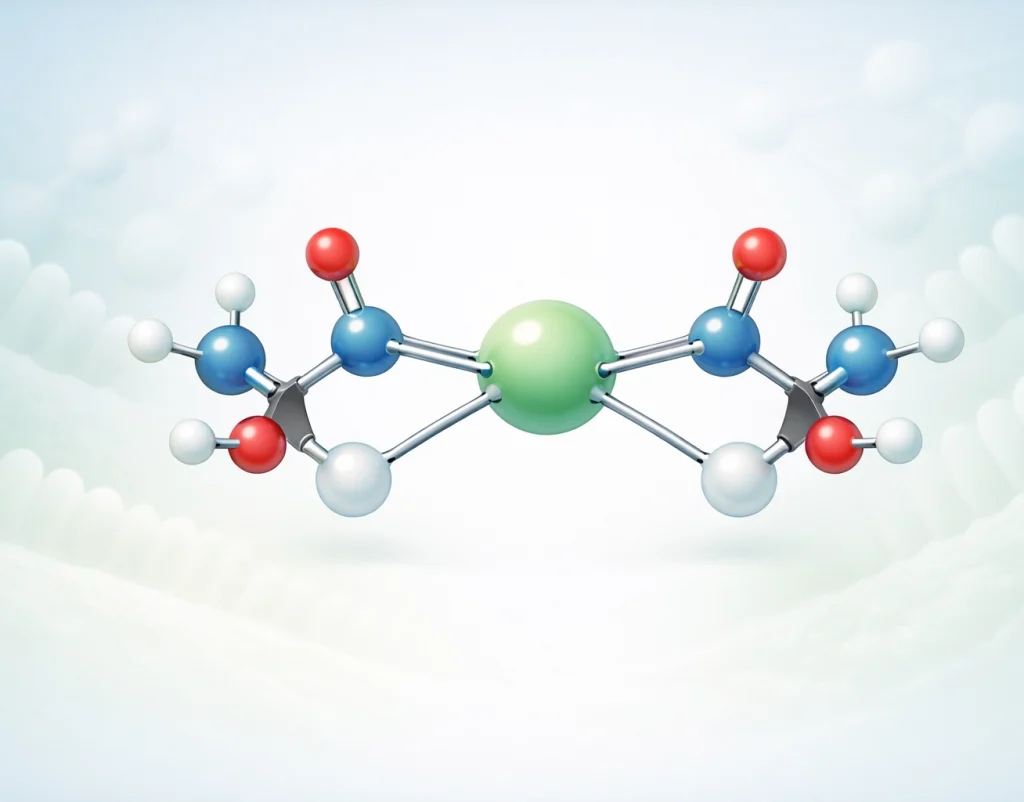
Magnesium glycinate is formed by the binding of a magnesium ion to two molecules of the amino acid glycine. This chelated structure allows magnesium to be absorbed via amino acid transport pathways in the intestine, resulting in reduced competition with other mineral ions for absorption.
Bioavailability and Absorption of Magnesium Glycinate
One of the most important advantages of magnesium glycinate is its higher absorption compared to other magnesium salts. The reasons for this characteristic include:
- Efficient transport across the intestinal wall via amino acid transporters
- High stability in the acidic environment of the stomach
- Reduced osmotic effect in the intestine, leading to a lower incidence of diarrhea
- Better gastrointestinal tolerability compared with magnesium oxide and magnesium citrate
Clinical studies have shown that magnesium glycinate more effectively increases serum magnesium
Clinical Benefits of Magnesium Glycinate
Due to its high absorption and fewer side effects, magnesium glycinate is widely used in the following conditions:
- Reduction of anxiety and stress
- Improvement of sleep quality
- Reduction of muscle cramps and spasms
- Support of nervous system health
- Alleviation of symptoms of premenstrual syndrome (PMS)
- Suitable for individuals with gastrointestinal sensitivity
Comparison of Magnesium Glycinate with Other Magnesium Salts
| Type of Magnesium | Absorption Rate | Gastrointestinal Side Effects |
|---|---|---|
| Magnesium Oxide | Low | High |
| Magnesium Citrate | Moderate | Moderate |
| Magnesium Chloride | Moderate | Moderate |
| Magnesium Glycinate | High | Low |
Magnesium glycinate, as one of the most effective forms of magnesium supplementation, is considered an ideal option for the prevention and management of magnesium deficiency due to its high bioavailability, efficient absorption, and favorable gastrointestinal tolerability. Choosing this form of magnesium may provide greater efficacy compared to other magnesium salts, particularly in individuals who do not respond adequately to conventional magnesium supplements.